1/2 Day Miniature Bird Painting Workshop w/ Artist Beth de Loiselle
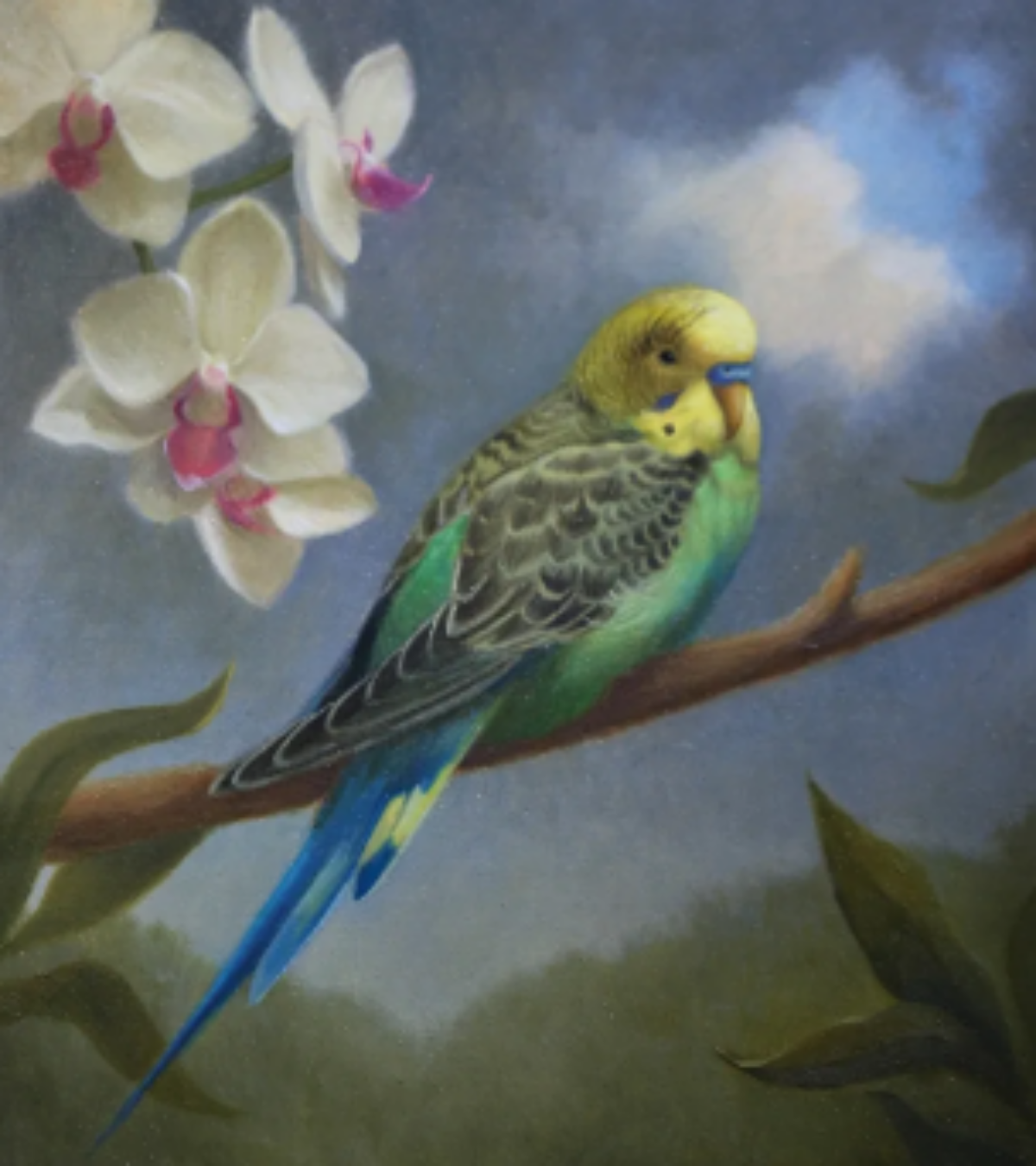
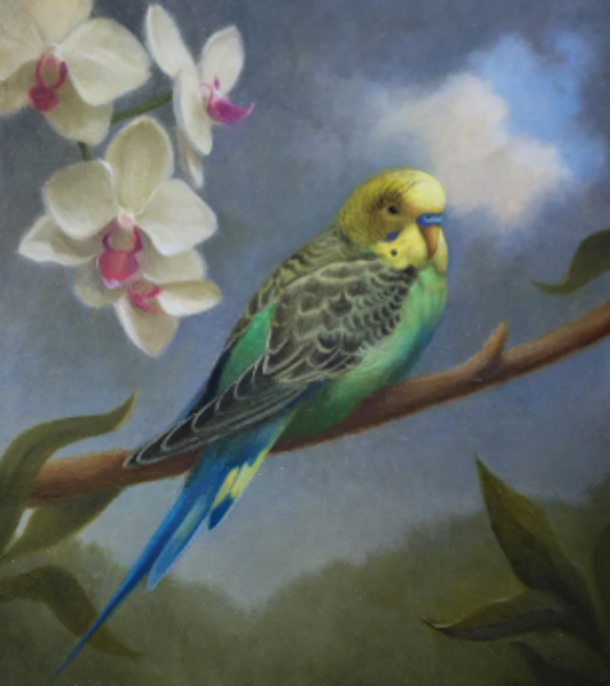
Come learn the history & techniques of miniature painting alongside local artist Beth de Loiselle!
In this exciting half-day workshop, Beth will present a brief history of the art form and share visual examples at various stages of completion, along with practical tips on this detailed painting process. Students will have ample time to begin their own piece(s) while gaining insight into composition, materials, and technique. This class is open to both beginner and intermediate artists working in acrylic or oil paints. Ages 16+. Feel free to bring a drink/snacks to your class.
(All registrants must supply their own materials for this workshop.)
See Beth’s Recommended Supply List Below:
1)*Solvents– If you plan to use a solvent, please keep it in a small container with a tight lid, as I am sensitive to the fumes. I don’t use solvents in my own practice and would be happy to share alternative approaches for painting without them.
*Acrylic artists can bring the painting mediums that work best for them
2) Oil Painting Medium: I use Winsor & Newton Liquin. Other alternatives if you are purchasing materials include Gamblin Solvent-Free Gel, Gamblin Neo Megilp, Maroger medium.
3) Paints: I recommend a full palette of colors; this is especially important for beginning students. For tube paints Old Hollins, Gamblin, Windsor Newton, Utrecht or Plaza Artist Grade Paints are recommended. My recommended palette includes the following colors:
Recommended:
White (Utrecht or Titanium)
Holbein’s Jaune Brillant No. 2 (optional)
Titanium Yellow or Nickel Yellow
Cadmium Yellow light or lemon yellow
Cadmium Yellow medium
Cadmium Orange (optional)
Yellow Ochre
Raw Sienna (optional)
Burnt Sienna or Transparent Brown Oxide Rembrandt’s version recommended) Raw Umber and/or Burnt Umber
Cadmium Red Light
Alizarin Crimson
Chrome Green Oxide or Holbein’s Grey Green
Sap Green
Cobalt Blue, Cerulean Blue or Holbein’s Compose Blue
Ultramarine Blue
Ivory Black
Other optional colors: Pthalo/Thalo Blue, Dioxazine Purple, Permanent Rose, Cobalt Turquoise Light, Indian Yellow
4) Clean Rags: Painters Rags, Viva Paper Towels, or cut up cotton shirts
5) Palette: If you are using palette paper, grey toned is preferred over white
6) Fine Sandpaper (optional): I use 600 ultra fine grit, this is great to give texture to fresh smooth oil surfaces and also use in between sittings.
7) Tabletop easels or small travel easels
8) Photo references to paint from.
9) Drawing utensil: such as a pastel pencil, vine charcoal, or graphite pencil
10) Brushes:
When choosing miniature brushes, don’t rely too much on the size listed on the handle—sizes vary between brands. Instead, pay attention to the tip size and shape, bristle length, and how much “spring” the brush has.
Small watercolor brushes can work very well for miniatures because they often hold paint better and have a good spring. However, avoid using the same brushes for both oil and watercolor, since oil paint can build up in the bristles over time.
I also recommend avoiding very small bristle brushes (smaller than size 2), as they tend to split or wear out quickly. If you’re unsure about what you need, you can send me a photo of your brushes with a coin for scale.
In addition to detail brushes, bring a range of sizes—such as filberts, monarchs, or synthetic/sable brushes—in sizes 2, 4, and 6.
Brush choice will also depend on the size of your painting. Start with the largest brush you can comfortably control, then switch to smaller brushes for detail. For miniatures, your largest brush may only be a size 2 or 4. Even a size 0 brush can create a wide range of lines and marks.
My personal favorite detail brushes:
-
● Princeton Velvetouch Series 3950 Synthetic Brush – Mini Monogram Liner, 20/0
-
● Princeton Select Synthetic Brush – Short Liner, Short Handle, Size 18/0
Blending brush: one or more in various sizes (something soft like a blush brush)
Painting Surfaces:
Bring two smooth, prepared surfaces. Good options for miniature painting include ivorine, vellum, gesso board, or smooth portrait-grade canvas. Common sizes are 5×7”, 4×6”, 3×4”, or 2×3”, but you’re not limited to these.
Miniature Supply Resource: Nancy Still from www.miniartsupply.biz has a wonderful collection of brushes, painting surfaces (including ivorine, vellum, and smooth panels), frames, and more for sale that are excellent quality.