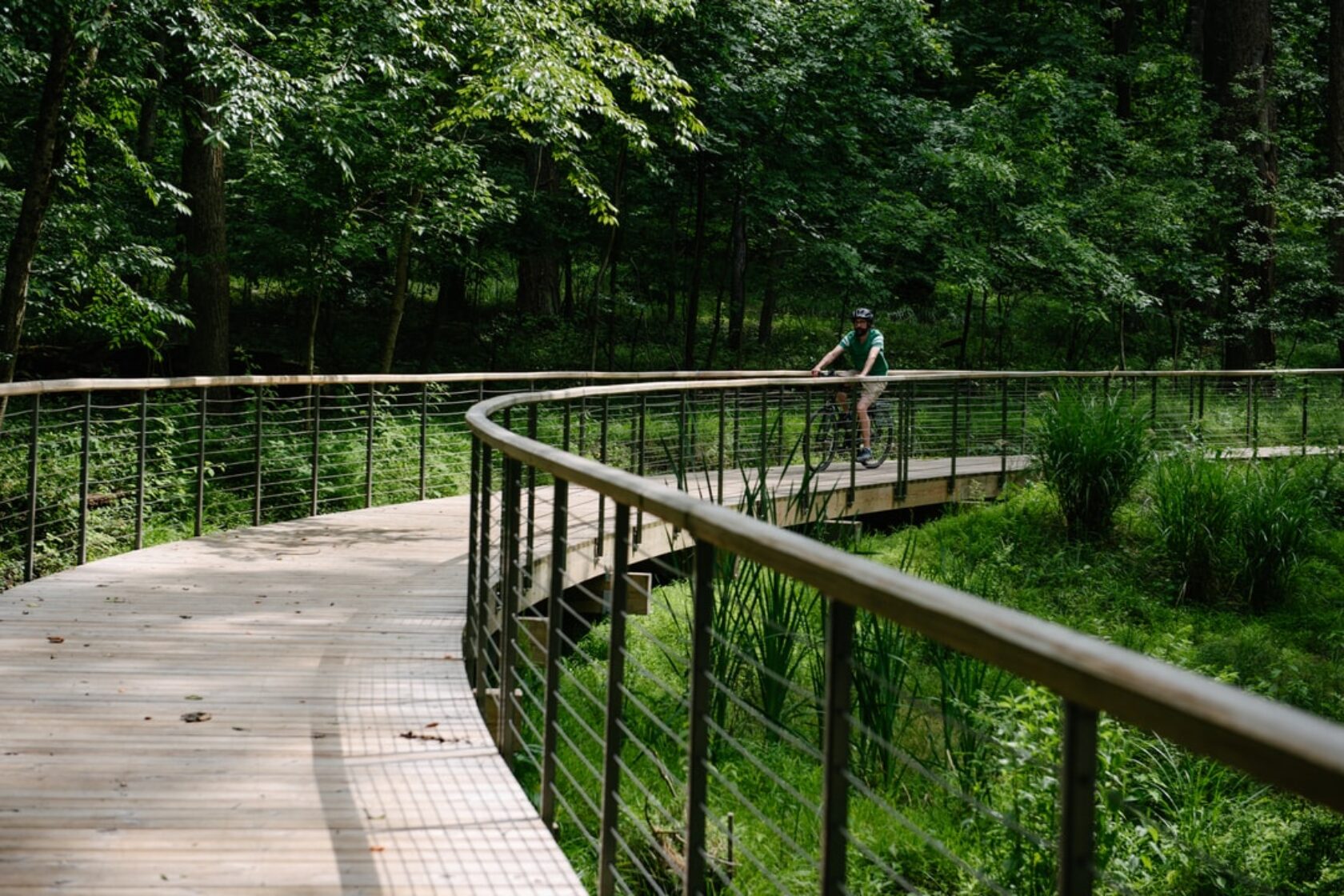

ith sustainable travel on the rise, Baltimore has established itself as a top eco-friendly destination thanks to diligent and ongoing efforts by local activists and institutions to keep our water healthy, our parks clean and our carbon emissions low. Beyond scenic outdoor spaces, Baltimore boasts ample low-cost public transportation options, walkable neighborhoods, farm-to-table restaurants and sustainably-minded small businesses, making it a great place to visit for both you and the planet.
Exploring Baltimore Without a Car
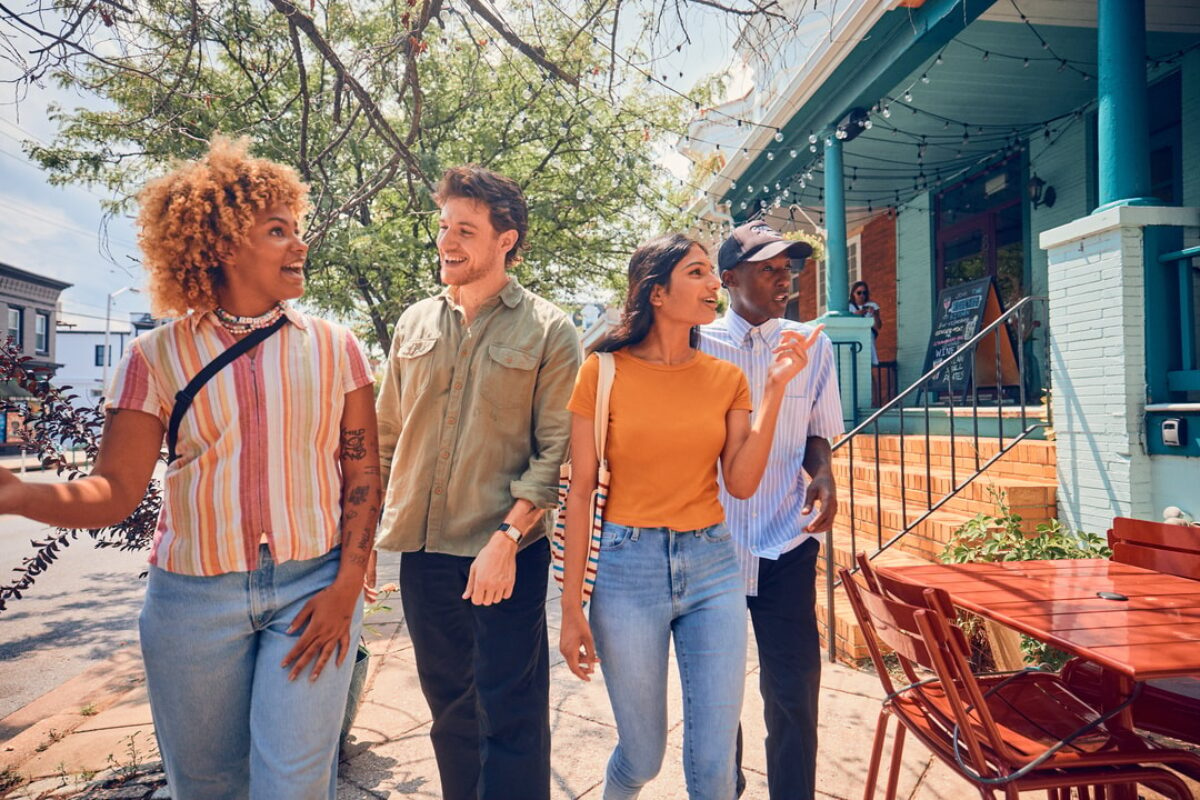
Whether you get to Charm City via plane, train or car, we challenge you to explore the city by alternative means—think bus, bike, foot, Water Taxi or even kayak! Not only are these methods more eco-friendly, but they encourage adventure and new encounters with the city’s wonderful waterways, sprawling green spaces and earth-conscious businesses.
The Charm City Circulator makes it easy to get to an Orioles game, a street festival or a concert at CFG Bank Arena. This free, low-emission bus boasts 100 stops along four downtown routes. Need to travel a little farther? MTA also operates more than 60 bus routes, as well as a subway and a light rail that can take you to popular Baltimore neighborhoods like Mount Vernon and Station North Arts & Entertainment District.
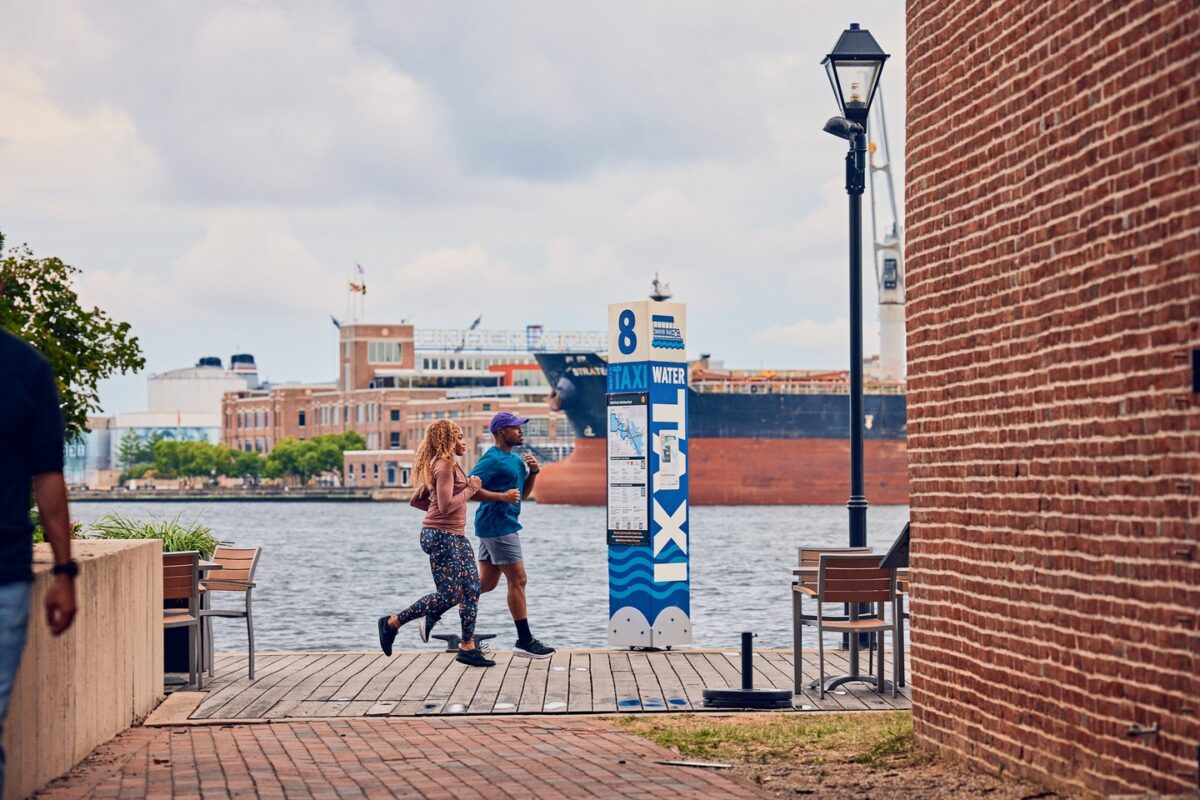
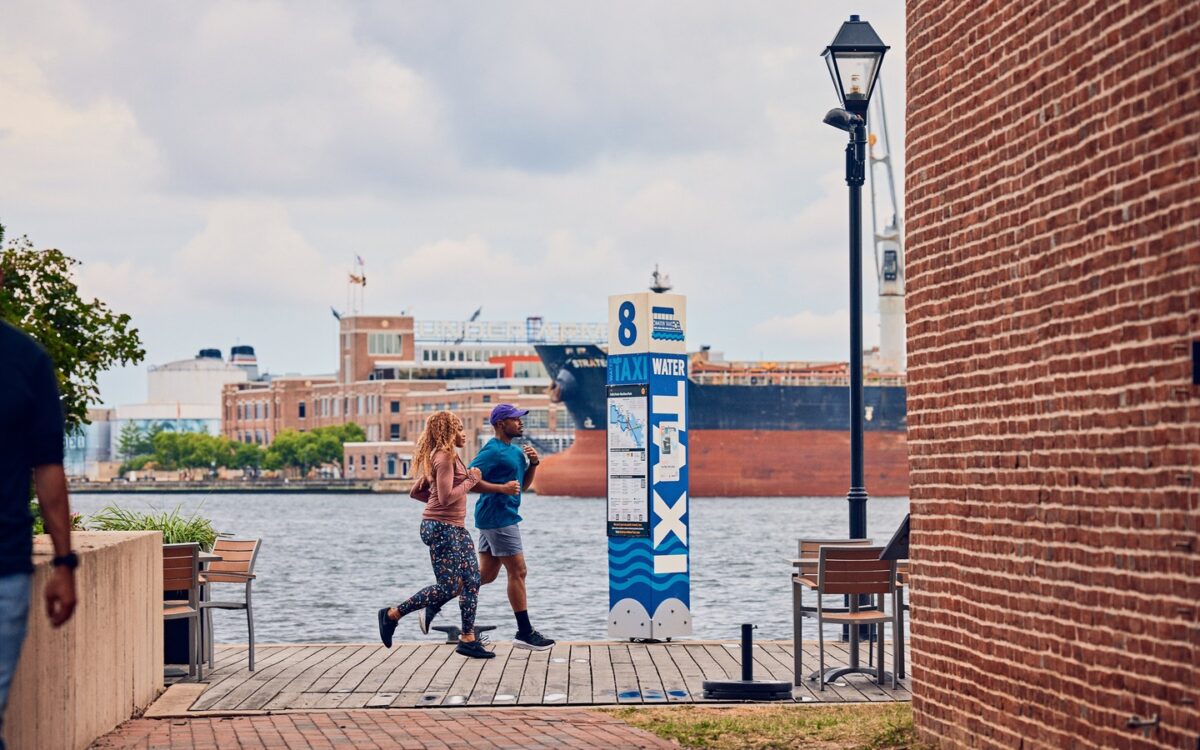
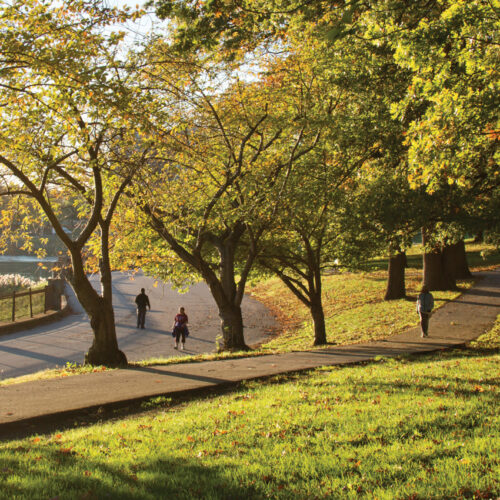
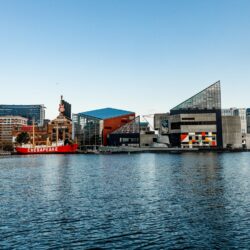
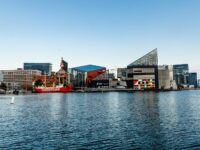
Exploring Baltimore’s gorgeous waterways is a must, and you can do so by walking (or running if you’re feeling active), scootering, biking or sailing! Take a leisurely stroll along the 7.5-mile waterfront promenade that stretches from Canton to Locust Point, stopping along the way to shop in Fell’s Point, watch wildlife roam the National Aquarium’s Harbor Wetland exhibit, check out the view from Federal Hill Park or enjoy happy hour at a waterfront restaurant.
Experience Baltimore’s waterways up close on the Water Taxi.
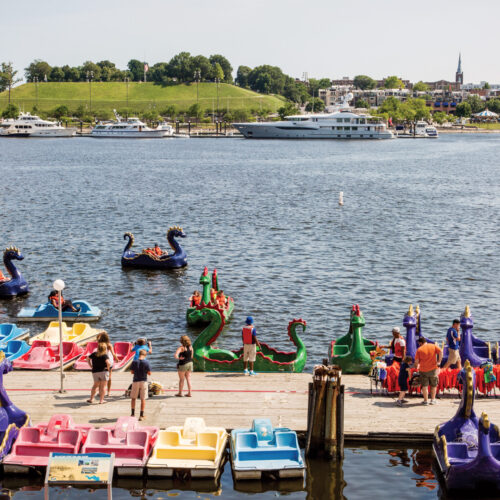
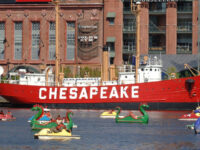
The ultimate way to enjoy Baltimore’s water, however, is on it! The Baltimore Water Taxi is not only a convenient way to travel between waterfront neighborhoods, but a unique way to see some of Baltimore’s most famous locales such as Fort McHenry and the Domino Sugars sign. One ticket grants you all-day, unlimited on-off service. For a more of a workout, book a kayak tour. Ultimate Watersports offers guided tours of the Inner Harbor from the Living Classrooms Marina (look for the Chessie paddle boats and pirate ships). On Friday evenings in the spring and summer months, the Baltimore City Parks and Recreation Department also leads sunset paddles through the 2.5-mile Middle Branch Loop of the Baltimore Blueway.
Eco-Friendly Baltimore Attractions
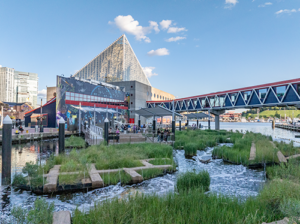
Harbor Wetland immerses visitors in a re-created salt marsh habitat. Credit: Philip Smith, National Aquarium
Many of Baltimore’s most sustainable activities are located along the water, which recently became swimmable and fishable as a result of a 15-year Healthy Harbor Initiative spearheaded by Waterfront Partnership. This initiative birthed Mr. Trash Wheel, a social media icon and solar-powered trash interceptor that collects debris from the water. Find him and his friends in Harbor East, Canton and Gwynns Falls. Another planet-friendly harbor initiative is Harbor Wetland. This outdoor exhibition from the National Aquarium immerses visitors in a re-created salt marsh habitat—just like those that naturally occurred in this area hundreds of years ago—that aims to improve the health of our waterways. Indoors, the Aquarium is equally earth-conscious. It has eliminated single-use plastic and has pledged to reduce its greenhouse gas emissions to net zero by 2035, and staff use props like the Magic Planet—which displays the potential impacts of extreme temperature changes in real time—to start solutions-focused conversations about climate change.
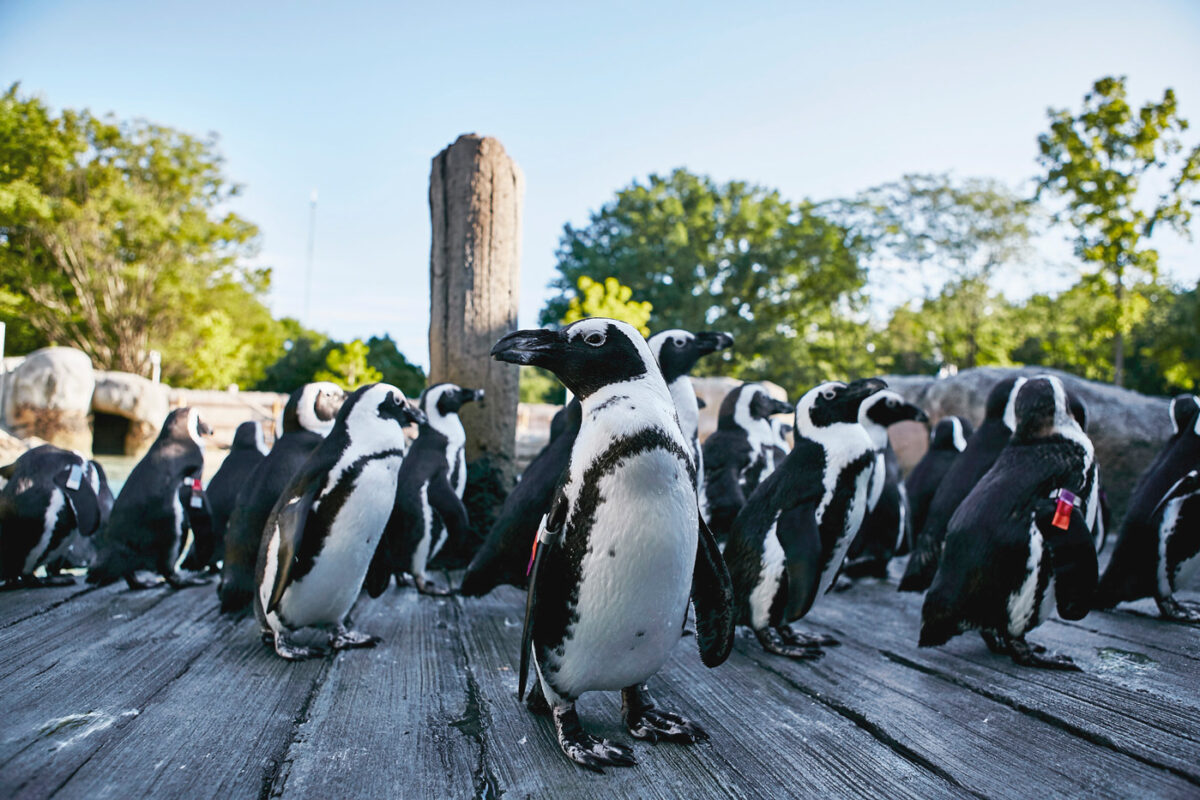
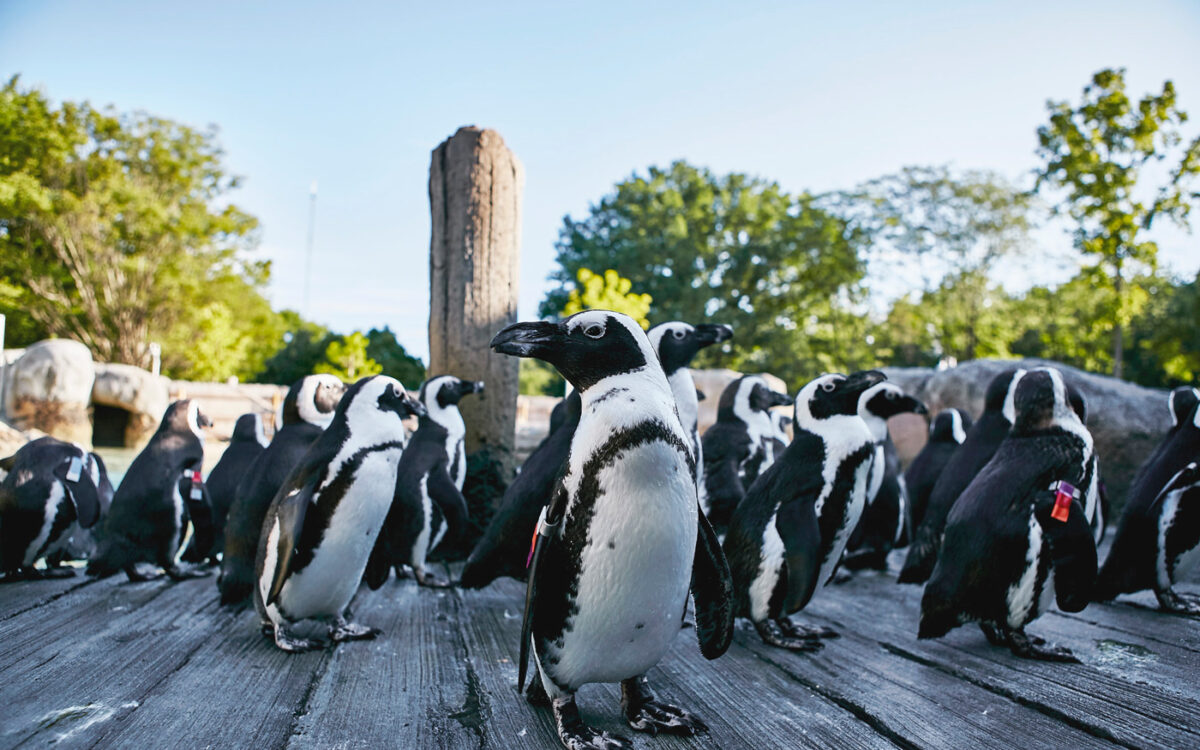
Further north in Druid Hill Park, The Maryland Zoo is leading the charge in the creation of organizational sustainability plans with the goal of helping animals around the world. They monitor water usage, provide ways for guests to recycle their cell phones and compost their elephants’ excrement after realizing that sending this material to the local incinerator made them one of the biggest producers of methane in the city. Also found in Druid Hill Park is the breathtaking Howard Peter Rawlings Conservatory and Botanic Gardens. The 135-year-old Baltimore landmark has five distinct spaces including an orchid room, a tropical greenhouse and an exterior garden, giving visitors the opportunity to enjoy an awe-inspiring variety of flora from around the world.

Black Earth Rising was an exhibition at the BMA that explored the connections between the climate crisis and colonialism.
Baltimore’s animal-focused organizations aren’t the only ones making a difference. Noticing how activists have turned to art museums to bring attention to the climate crisis, the Baltimore Museum of Art launched Turn Again to the Earth in 2025, which sought to foster conversations about climate change and museums’ roles in combatting it. As part of this initiative, the museum debuted 10 environmentally focused exhibitions throughout the year and invited local organizations to join an eco-challenge.
Sustainable Small Businesses
Not only is shopping small, brick-and-mortar businesses more sustainable than purchasing goods from large corporations, but it’s a great way to find one-of-a-kind trip souvenirs and gifts for loved ones.
If you drove to Charm City, you’ll want to save lots of space in the trunk for new greenery courtesy of Baltimore’s boutique plant stores, no two of which are the same. B. Willow offers a slate of botanical and creative workshops, Green Neighbor is nestled next to coffee shop Good Neighbor, Stem & Vine doubles as a wine bar, HousePlant is located in bustling Broadway Market and Walther Gardens and Nursery is home to the oldest snowball stand in the country.
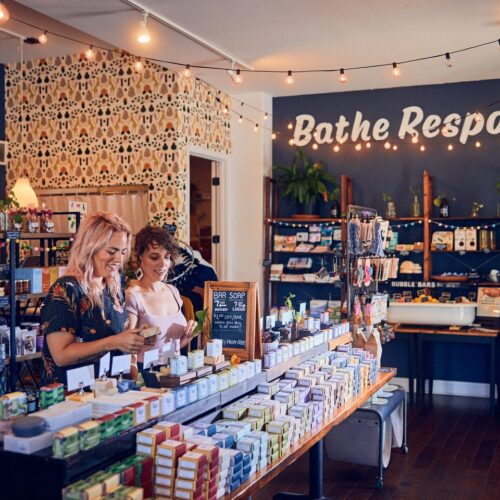
Afterward, stop by Mount Royal Soaps, an artisanal wellness shop selling handmade soaps and candles that smell good and are good for the planet. Each in-house product is plant-based, palm oil-free, cruelty-free and low waste.
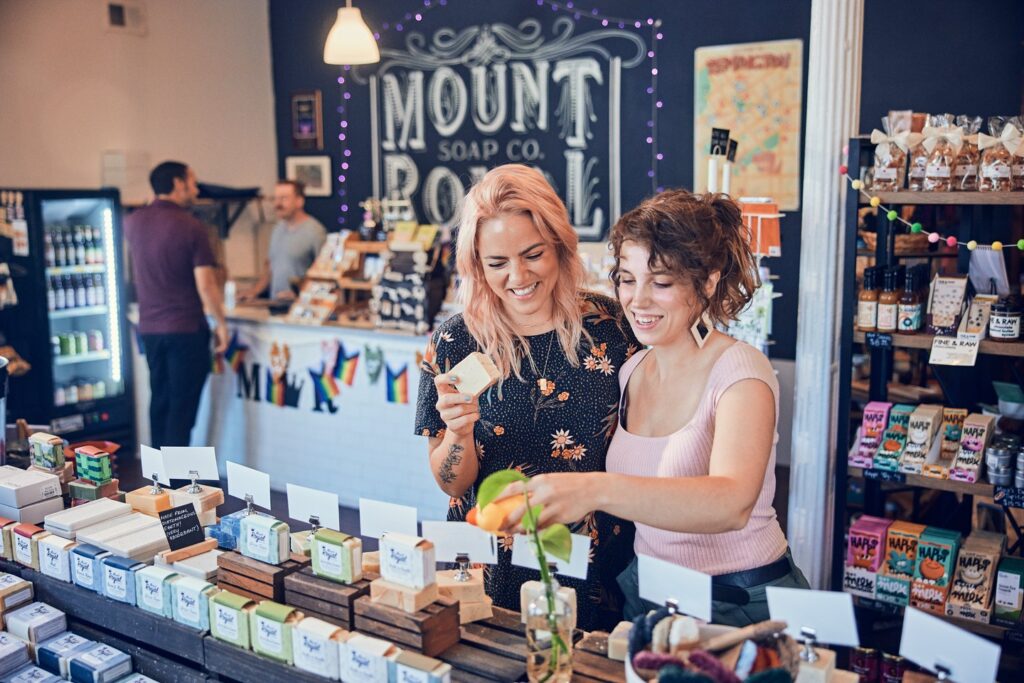
Skip the plastic and pick up a bar of soap or shampoo from Mount Royal Soaps instead!
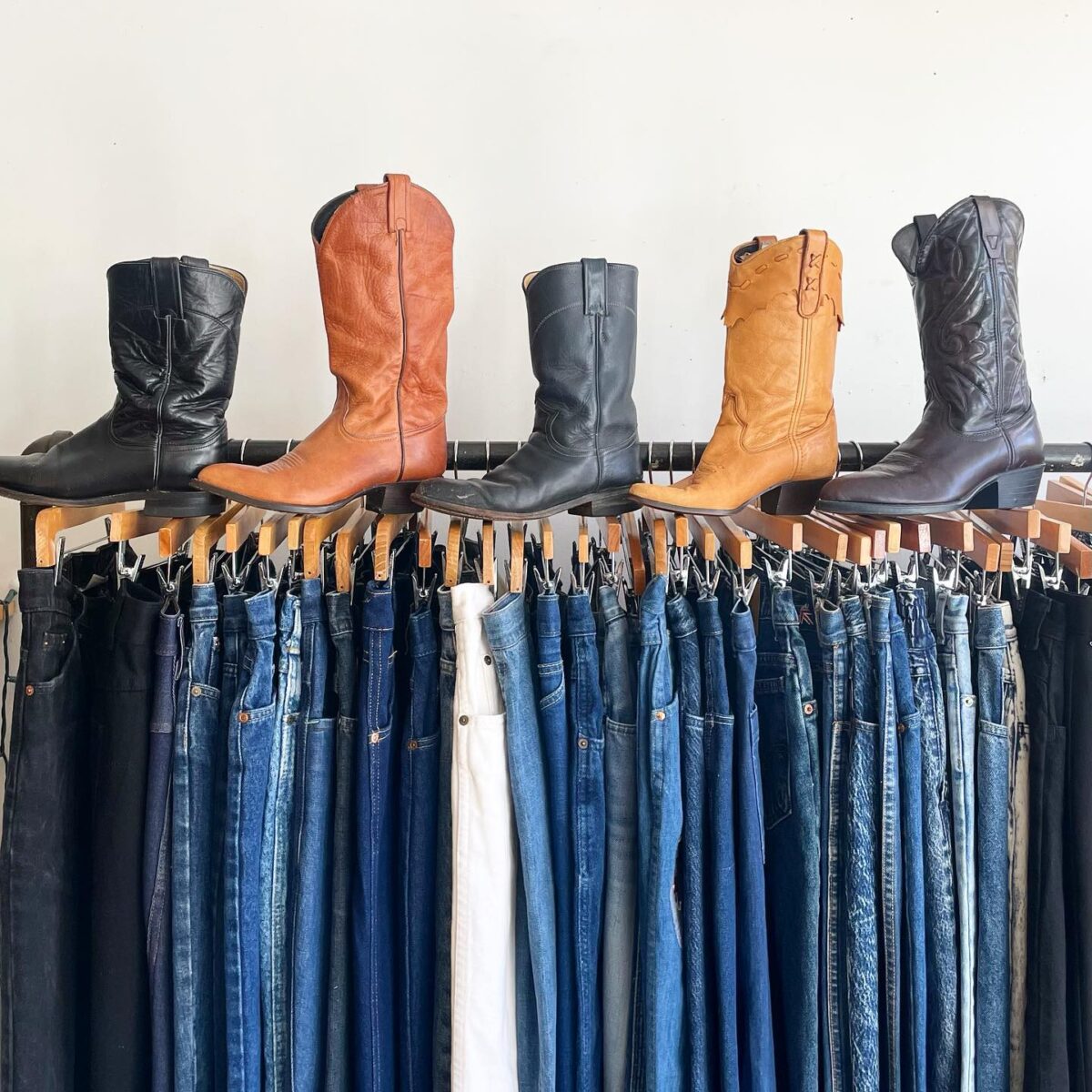
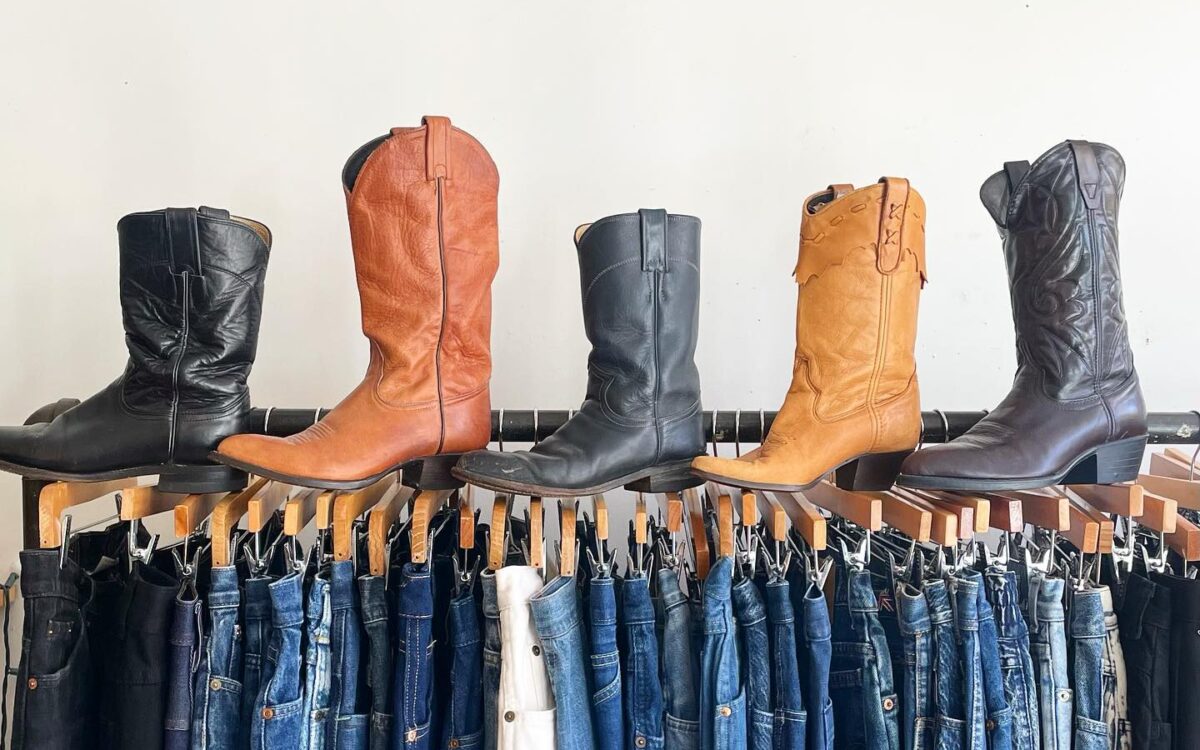
It’s shouldn’t come as a surprise that a city as sustainably-minded as Baltimore would also house so many thrift and vintage stores, since shopping secondhand can help reduce carbon emissions by 25%. Many are housed in the artsy Hampden neighborhood, including The Parisian Flea, Charlotte Elliott & The Bookstore Next Door, Balto Vintage, Strawberry Fields, Wishbone Reserve and Get Shredded. For the ultimate thrift trip, check out the sprawling Bmore Flea or Vintagepalooza markets located outside Broadway Market and R. House, respectively.
Farm-to-Table Restaurants in Baltimore
Baltimore’s food scene is full of sustainably-minded chefs that design their menus around locally sourced ingredients. Nestled in the historic Hollins Market neighborhood not too far from Camden Yards and M&T Bank Stadium, Rooted Rotisserie brings a family-oriented twist to French cuisine. Chef Joseph Burton, a West Baltimore native, and his wife Amanda share their passion for locally sourced ingredients at the table, earning them rave reviews from food critics alike and popular social media personality Keith Lee.
At Foraged in Station North, chef-owner Chris Amendola offers a hyper-seasonal menu that uses ingredients either carefully foraged or sustainably sourced from farms in the region. Next door Alma Cocina Latina serves up lively Venezuelan cuisine inside a stunning restaurant packed with palms, pathos and ferns.
A little further north in Hampden are two restaurants that recycle their shells through the Oyster Recovery Partnership: Dylan’s Oyster Cellar, an upscale corner bar beloved by locals, and The Urban Oyster, the first woman- and Black-owned oyster bar in the United States. At both, you’ll dine well knowing that oyster farming is a sustainable practice; it does not rely on extensive land or freshwater resources and oysters do not release methane the way that land animals, like cows and sheep, do.

Enjoy small bites, grilled meats and fresh seafood inspired by Spain’s Basque region at La Cuchara in Woodberry.
Just a 15-minute walk from The Avenue where Dylan’s and The Urban Oyster live is La Cuchara, a Basque-inspired, tapas-style restaurant with a daily menu to reflect the most seasonal ingredients. Its large central bar and wood-burning oven invite you to take a seat and enjoy a communal meal. Nearby at Woodberry Kitchen, James Beard Award-winning chef Spike Gjerde sources all ingredients—from meat and greens to canola and sunflower oils—from independent farms and fishermen across the Mid-Atlantic region. For the past 16 years, this deep commitment to a sustainable food system has resulted not only in its trademark, elevated Chesapeake cuisine, but also in $25 million reinvested into the hardworking hands of the region’s growers.
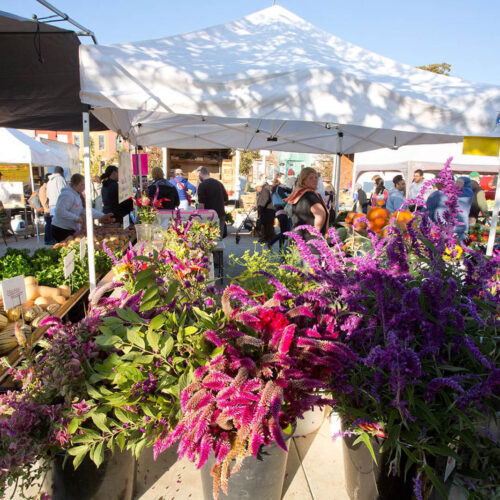
Short on time? Baltimore’s farmers markets are the ultimate one-stop destination for fresh produce, artisanal goods, plants and small bites from local eateries. Designed to foster community, these markets often also feature live music, performances and showcases from area artists. And some operate year-round, such as the Waverly Farmers Market, so you can always get your healthy, hyper-local food fix.